Grip pain
Outer elbow ache when you grip a coffee cup, a tool, or a handshake.
Kee Health treats tennis elbow in Waunakee for adults in Madison, Sun Prairie, and Dane County. Outer-elbow pain with gripping, lifting a pan, or using tools is assessed first. Dry needling, myofascial release, and active rehab are used when the exam supports them. Most of these cases are not from tennis.
New patients: please call to schedule your first visit.
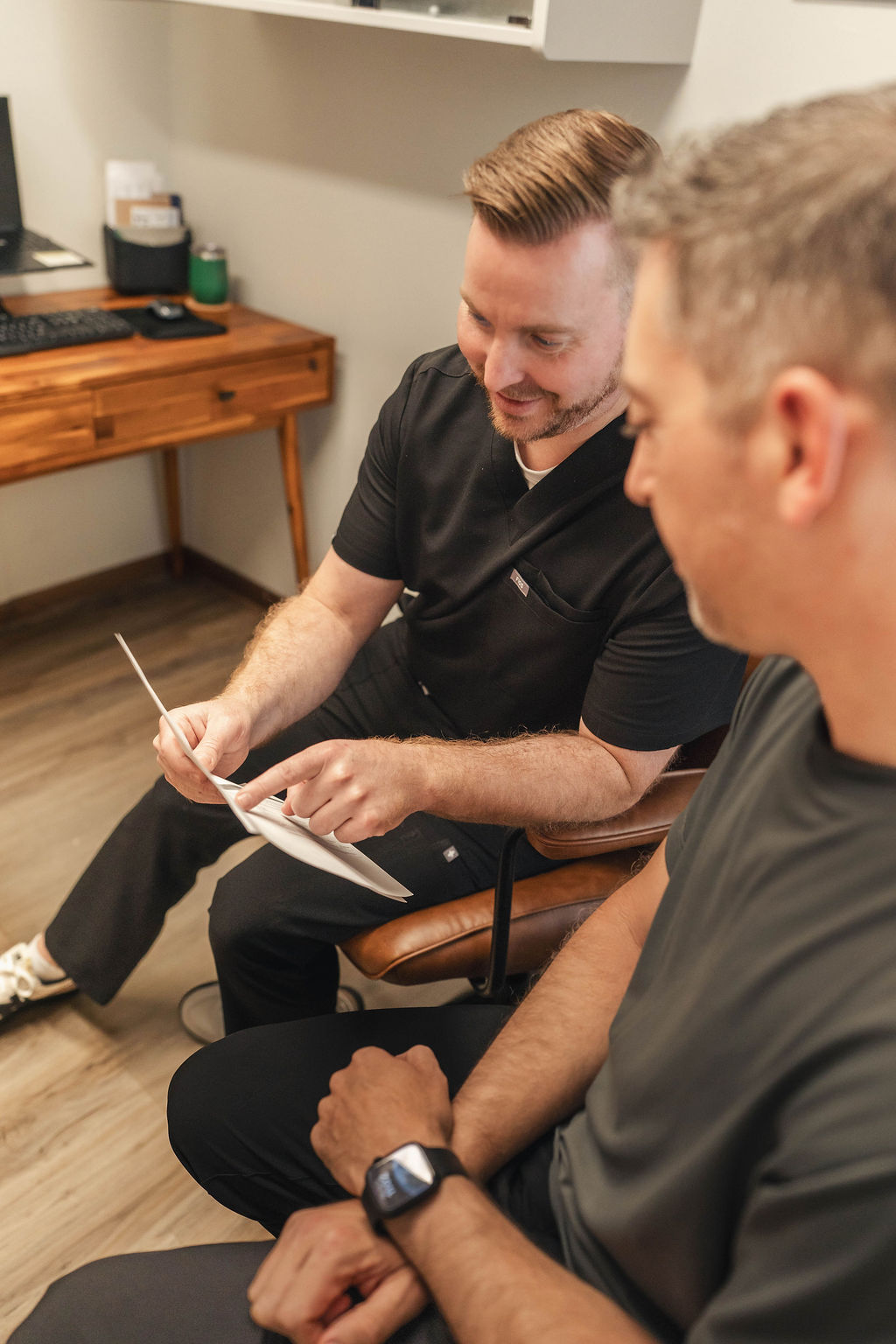
Outer elbow ache when you grip a coffee cup, a tool, or a handshake.
Pain on the outside of the elbow with the palm down and the wrist loaded.
Forearm fatigue after a mouse, keyboard, or repeated click day.
A tight band in the forearm that stretch work does not hold.
Tennis elbow is the common name for pain where the forearm tendons meet the outside of the elbow. The load is usually grip, wrist extension, or repeated tool use, not a tennis court. The tendon is irritable. The forearm muscle that feeds it is often tight. The elbow and wrist may not be sharing the load evenly, so the same spot keeps getting the work.
The exam finds that band and checks the wrist, elbow, and shoulder, because a stiff shoulder or a gripping habit can keep reloading the elbow. Dry needling is used when a forearm trigger point is part of the pain. Myofascial release and instrument work are for tissue that stays stuck. Active rehab rebuilds grip and wrist control so the tendon is not the only thing doing the job. Those can share a physical medicine visit. None of them is automatic.
This is not a promise that one needle fixes a tendon that has been irritated for months. Follow-up and a change in the grip load matter. If gripping also causes numbness into the hand, or the pain followed a fall onto the elbow, get that checked medically before a routine visit. Related shoulder load is on the shoulder pain page.
Plan on about 90 minutes for a new physical medicine visit. Follow-ups are about 30–45 minutes. We ask what grip sets it off, how long it has been there, and whether work, a mouse, or a sport is the repeated load. Then we find the tender point on the outer elbow and the forearm band that feeds it. Wrist and shoulder motion are part of that exam, because treating only the sore spot often leaves the load in place.
Treatment that day follows the findings. Some visits are needling of the forearm band. Some are soft-tissue work and a short grip drill. Some include the shoulder if that is what keeps the elbow working overtime. You should leave knowing which of those it was, and what to avoid loading for the next day or two if the tissue is sore after needling. Soreness for a day is common. We talk through that before the needle goes in.
Care is in Waunakee, serving Madison, DeForest, Sun Prairie, Middleton, and Dane County. New patients call to schedule. We are out of network for major insurance and accept credit cards, HSA, and FSA.
No. Most cases we see come from gripping, tools, lifting, or desk work.
No. It is used when a forearm trigger point is part of the pain. It is not acupuncture.
Usually not if the tendon has been irritated for months. Follow-up and a change in grip load are part of the plan.
It can. A stiff neck or upper back often loads the same shoulder. The exam checks both before a tool is chosen.
Tennis elbow care in Waunakee. New patients: please call to schedule.