GLP-1 Medications: What to Know Before You Start
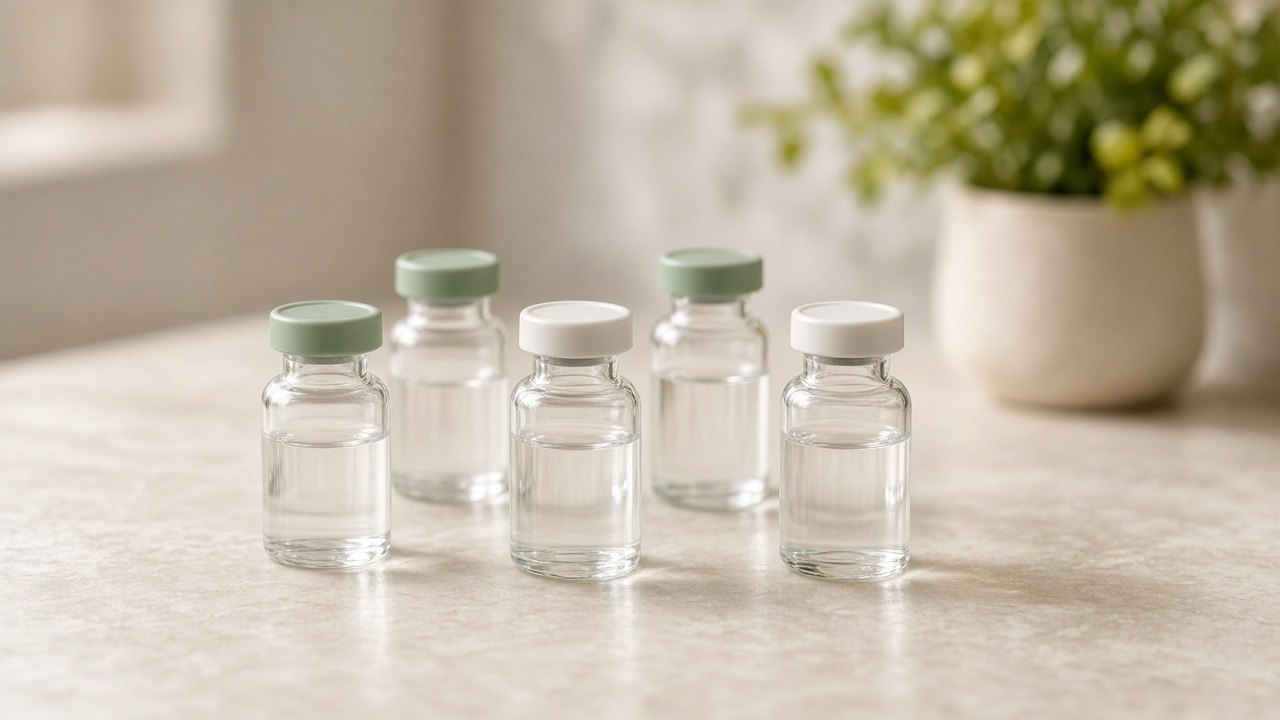
GLP-1 medications such as semaglutide and tirzepatide copy a natural gut hormone that helps you feel full and helps control blood sugar. They can support weight loss, but they are not right for everyone. We start with labs so we know your baseline and can make a safe plan. Eating enough protein and doing strength work helps protect muscle while you lose weight.
GLP-1 medications get a lot of attention. Many people come in with good questions. How do they work? Are they safe for me? What happens to my muscle? Here are plain answers.
How GLP-1 medications work
GLP-1 is a hormone your gut makes after you eat. GLP-1 medications act like that hormone, but last much longer. Semaglutide works on GLP-1. Tirzepatide works on GLP-1 and a second hormone called GIP. Both affect your body in a few ways:
- You feel full sooner. They send fullness signals to your brain, so portions get smaller and cravings often quiet down.
- Food leaves your stomach more slowly. That helps you stay full longer. It is also why nausea can happen early on.
- Blood sugar stays steadier. They help your body release insulin when blood sugar rises after a meal.
These medications are usually started at a low dose and raised slowly. That gives your body time to adjust and helps limit side effects.
Why we start with labs
At Kee Health, a lab draw comes before or with your first plan. We do not prescribe first and ask questions later. Labs help us:
- See your starting point. A1c, a metabolic panel, and lipids show your blood sugar, kidney and liver function, and cholesterol.
- Look for other causes. Thyroid labs, when symptoms suggest it, can point to a reason for weight gain that needs different care.
- Decide if medication fits. Results help us decide whether a GLP-1 is appropriate for you at all.
- Track progress. A baseline lets us compare later and see more than the number on the scale.
Blood draws are done right at our Waunakee clinic. Learn more on our labs and blood draws page.
Protecting muscle while you lose weight
When you eat less, your body can lose muscle along with fat. Muscle keeps you strong, steady on your feet, and helps your metabolism. These habits help you keep it:
Protein first
- Build each meal around a protein, such as eggs, Greek yogurt, fish, chicken, beans, or tofu.
- Eat it first, before you fill up.
Strength work
- Aim for 2 to 3 strength sessions a week.
- Bodyweight moves, bands, weights, or reformer Pilates all count.
Fluids and fiber
- Drink water through the day.
- Add vegetables, fruit, and whole grains to help with constipation.
Steady pace
- Slow, steady loss is easier to keep muscle through.
- Follow-up visits help us adjust your dose and plan.
Side effects and who should not take them
The most common side effects are nausea, constipation, diarrhea, and feeling full too quickly. They are most common early on and after a dose increase. Smaller meals and less greasy food often help. We check in on side effects at every follow-up.
GLP-1 medications are not for everyone. They are not used in people with a personal or family history of medullary thyroid cancer or MEN 2, or during pregnancy. Tell us about all of your health conditions and medications so we can decide together.
- Severe stomach pain that does not go away, with or without vomiting
- Vomiting or diarrhea that keeps you from holding down fluids
- Signs of an allergic reaction, such as swelling of the face or trouble breathing
How Kee Health helps with GLP-1 care
Our GLP-1 care is local and guided by a provider, with labs, nutrition support, and regular follow-up. It is not a refill service. Every plan looks like this:
- Consult to review your goals, history, and whether GLP-1 care is a fit
- Labs drawn here in Waunakee to set a safe starting point
- Plan with medication when appropriate, plus protein, strength, and meal guidance
- Follow-up to check side effects, dose, and progress
Learn more on our GLP-1 weight loss page and our functional and lifestyle medicine page. Want strength work too? See reformer Pilates. Results vary, and candidacy depends on your history and labs.
New GLP-1 patients are scheduled by our team, not online. Call us at (608) 207-8212 or fill out the form on our contact page, and we will reach out to set up your first visit.
Contact us to get started→Frequently asked questions
How do GLP-1 medications work?
They act like GLP-1, a hormone your gut makes after eating. They help you feel full sooner, slow how fast food leaves your stomach, and help keep blood sugar steady. Tirzepatide also acts on a second hormone called GIP.
Why do I need labs before starting a GLP-1?
Labs show your starting blood sugar, kidney and liver function, and cholesterol. They can also point to other causes of weight gain. We use them to decide if medication is a safe fit and to track progress later.
Will I lose muscle on a GLP-1 medication?
Some of the weight lost can come from muscle. Eating protein at every meal, doing strength work 2 to 3 times a week, and losing weight at a steady pace all help protect it.
Is everyone a candidate for GLP-1 medication?
No. Candidacy depends on your health history, labs, current medications, and goals. People with a personal or family history of medullary thyroid cancer or MEN 2, and people who are pregnant, should not take them. If another path fits better, we will tell you.
This article is for general education and is not medical advice. GLP-1 medications are prescription drugs and are not right for everyone. Talk with a qualified health care provider about your specific situation.