Auto Accident Chiropractic Care Near Madison, WI
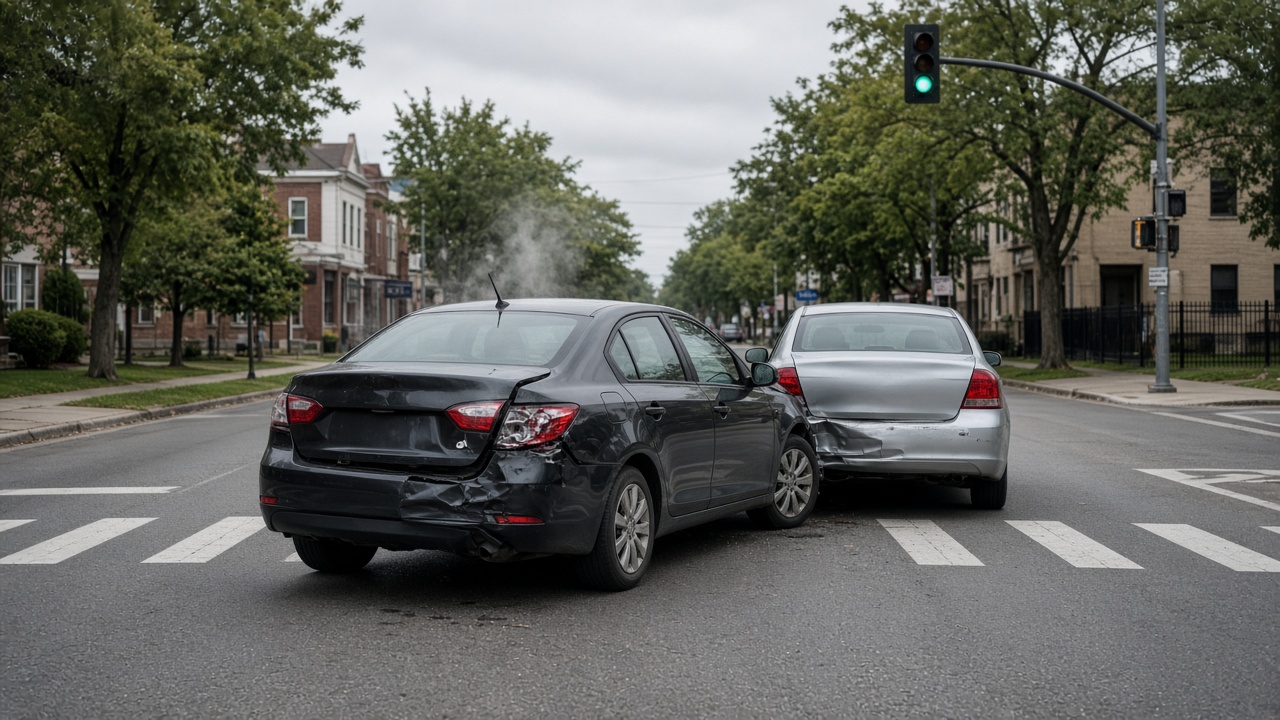
After a car accident near Madison or Waunakee, neck, shoulder, and low back pain often shows up the same day or a day or two later. At Kee Health in Waunakee, an exam finds which joints and soft tissues were irritated. Care usually combines gentle chiropractic adjustments, myofascial release, and simple movement so you can drive and work more comfortably again.
If you were in a fender-bender on the Beltline, around Madison, or closer to home in Waunakee, you do not have to wait until the soreness “just goes away.” We see people from across Dane County who walked away from a crash, felt fine at the scene, and woke up stiff the next morning. This guide covers what that pain often means, when to get checked, and how auto accident chiropractic care works at Kee Health.
Why car accidents hurt even at low speed
In a collision, your body keeps moving for a moment after the vehicle stops. The neck and low back take a lot of that force. Common results include:
- Whiplash-type neck strain. Soft tissues and joints in the neck get stretched or compressed when the head snaps forward and back — common after rear-end crashes in stop-and-go traffic.
- Low back and SI joint irritation. The jolt through the seat belt and seat can strain the low back and pelvis.
- Shoulder and upper back tension. Hands on the wheel and bracing for impact load the shoulders and mid-back.
- Headaches. Many post-crash headaches start in the neck and base of the skull, not only from a concussion.
You do not need visible bruising for these tissues to be irritated. Delayed soreness is common.
Symptoms to watch in the first few days
In the first 24 to 72 hours, people often notice:
- Neck pain or stiffness, especially turning to check a blind spot.
- Headaches that start at the base of the skull.
- Low back ache when sitting at a desk or standing up from a chair.
- Shoulder or upper back tightness, plus a worn-out feeling from sleep disruption and muscle guarding.
Most of these settle with the right care. Schedule an exam soon if pain is limiting driving, work, sleep, or simple daily tasks.
- Loss of consciousness, vomiting, or a sudden severe headache with neurologic symptoms (vision changes, confusion, or weakness in an arm or leg)
- Chest pain or trouble breathing
Those need a medical workup before soft tissue or chiropractic care.
What to do in the first week
- Get checked if you are sore. Waiting weeks often lets protective muscle guarding become the new normal.
- Keep gentle movement. Short walks and easy range-of-motion are usually better than complete bed rest, unless a medical provider told you otherwise.
- Ice or heat for comfort. Many people prefer ice the first day or two, then heat for muscle tightness. Use what feels better.
- Note what happened. A simple timeline (date of crash, when symptoms started, what makes them worse) helps your exam and any insurance paperwork your adjuster asks for. We document findings from your visit; we do not give legal advice.
- Avoid “pushing through” sharp pain. Stiffness that eases with motion is different from sharp pain that travels into an arm or leg.